Braces, clear aligners and partial orthodontics, explained in English. At our clinic in Gwanggyo, Suwon, an orthodontic specialist and an oral & maxillofacial surgeon look at your teeth, gums and jaw together before you choose a method.

Dr. Joo Yong-jin and Dr. Song-yi Park

Many adults living in Korea put orthodontic treatment off for years. Work schedules, business trips and the worry of not fully understanding the explanation in another language all add up.
We believe patients should be able to understand and choose the answer that fits them, not just a treatment method.
That is why we start with a full diagnosis and explain every option in English, including what may need to come before orthodontics. We value the process of care as much as the result.
Orthodontics moves teeth, but adult cases often involve the gums, wisdom teeth, the jaw joint and existing crowns or implants. Our two doctors review these together, and both consult in English.
Adult teeth come with more history. Before any tooth is moved, these three areas are examined, and treatment order is planned around them.

Weak gums or thin bone mean teeth should move more slowly and within a smaller range. Gum treatment sometimes comes first.
Teeth with crowns or implants may not move, or may need a different plan. Cavities are treated before orthodontics begins.
Wisdom teeth pushing on other teeth, or clicking in the jaw joint, are checked before treatment so they do not interrupt it later.
The right method is decided by your diagnosis. Even with the same concern, how far and in which direction teeth need to move can point to different approaches, and sometimes two methods are combined.


| Option | Often considered when | Daily life | Key care point |
|---|---|---|---|
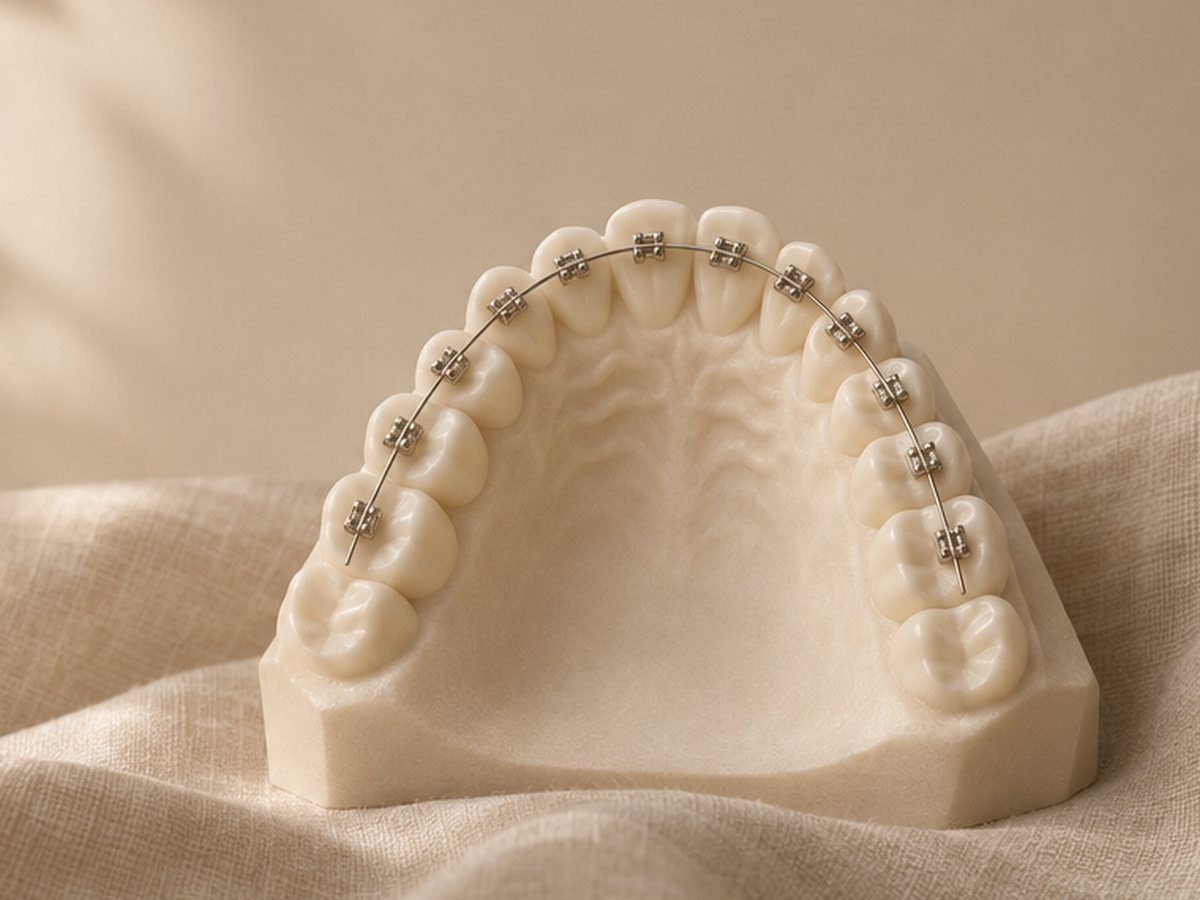
| Braces | Teeth need to move further or in complex ways | Visible; some discomfort in the first days after adjustments | Brushing carefully around brackets |
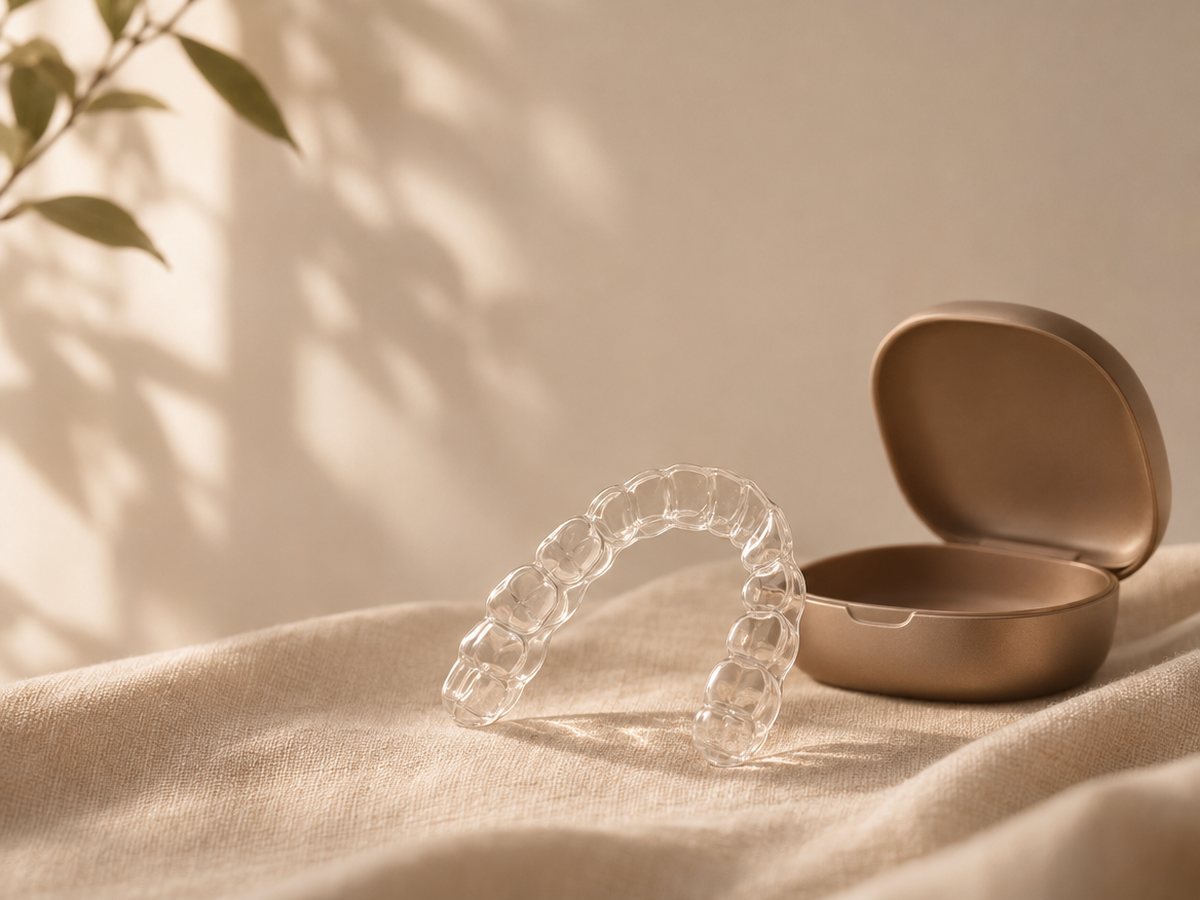
| Clear aligners (Invisalign) | You prefer removable, less visible appliances | Hard to notice; worn 20+ hours a day | Keeping daily wear time |
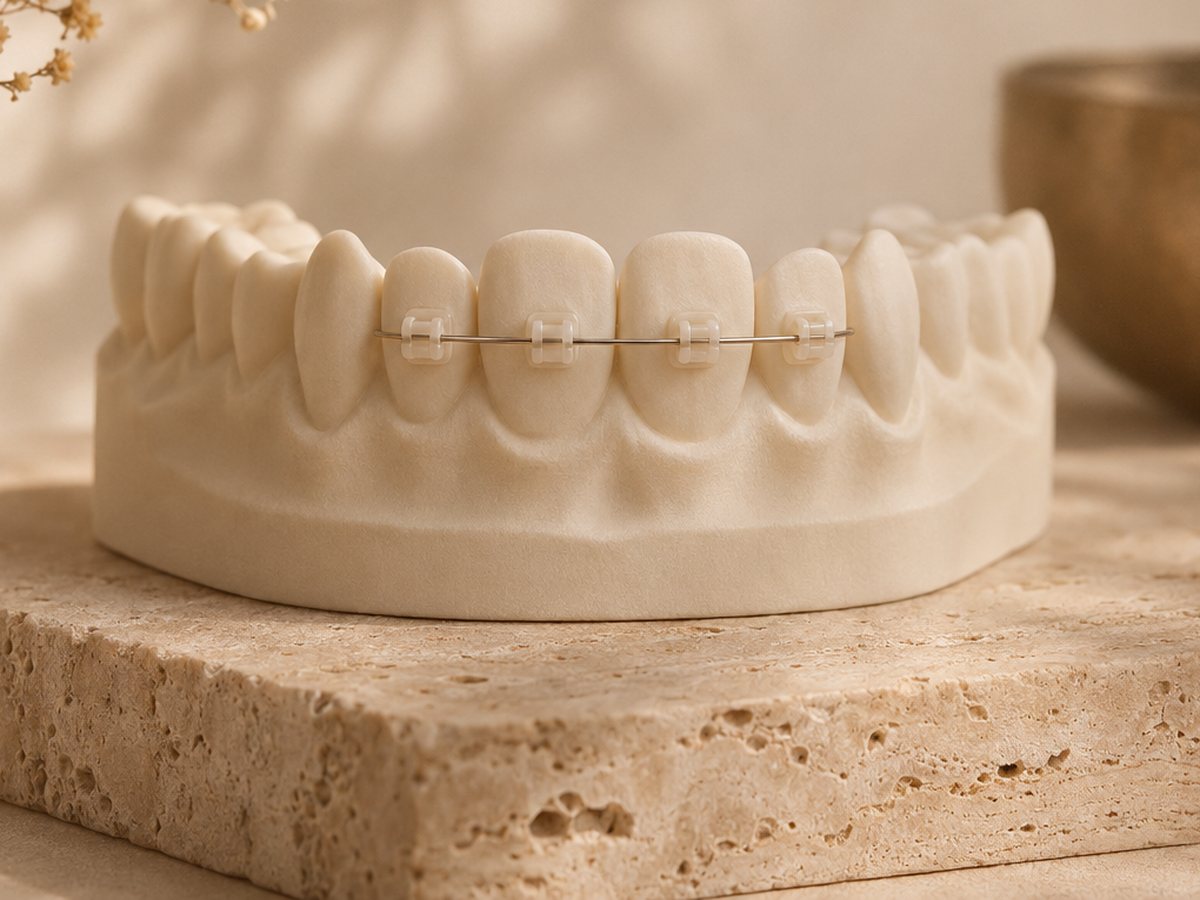
| Partial orthodontics | Only a few front teeth need aligning | Usually a shorter treatment period | Checking the bite stays balanced |
General guidance only. Suitability, treatment length and results vary with each person's teeth, gums and jaw.

Most patients visit once every 4 to 8 weeks, depending on the appliance and the stage of treatment. We plan the interval with your calendar from the start.
Yes. Both Dr. Song-yi Park, an orthodontic specialist, and Dr. Joo Yong-jin, the representative director, consult in English, so you can discuss your diagnosis and treatment plan without an interpreter.
Usually once every 4 to 8 weeks, depending on the appliance and the stage of treatment. Visit intervals are planned with your work and travel schedule at the start.
Clear aligners are one option, but the method is decided after diagnosis. When teeth need to move further or in complex ways, braces or a combination of methods may suit you better.
Share your travel plans and expected stay in Korea at the first visit. Visit intervals can be adjusted, and with clear aligners, sets can sometimes be provided in advance. The possible approach is explained after diagnosis.
The cost depends on your teeth, gums and the method chosen, so it is explained after the diagnosis during your consultation.
Our longer guide on diagnosis, visit schedules and daily care during treatment.
Read the article →You are welcome to write to us in English on KakaoTalk or call us. Sharing your preferred dates and your main concern (crowding, gaps, bite) helps us prepare.

Treatment length and method vary with each person's teeth, gums and jaw. Discomfort, gum inflammation or root resorption can occur during orthodontic treatment. Please decide after a full consultation. Last reviewed November 2026 by Dr. Song-yi Park.